Emergency Boarding Up After a Break-In: Protecting Your Property Within Hours
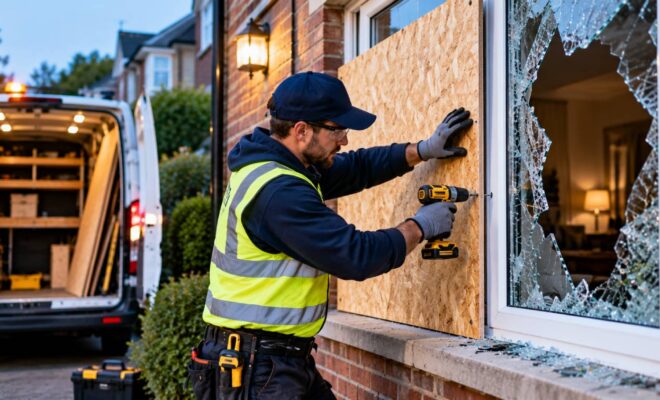
A break-in can leave a property vulnerable in several ways, from smashed windows and damaged doors to broken locks and exposed entry points. Once the immediate danger has passed, securing the building should be a priority. Acting promptly helps reduce the risk of further intrusion, limits exposure to bad weather and creates a safer environment while permanent repairs are arranged.
Emergency boarding up provides temporary protection when windows, doors or other openings have been damaged during a burglary. It involves securing vulnerable areas with suitable boarding or other protective measures until the necessary repairs can be completed. Understanding what to do immediately after a break-in can help property owners make informed decisions and protect their homes or business premises.
Why Immediate Action Matters After a Break-In
A damaged window or door can leave a property accessible to intruders, even if the original burglar has left. Broken glass, damaged frames and compromised locks may also create hazards for occupants, employees and visitors.
Leaving an opening unsecured can expose the interior to rain, wind and debris. For businesses, it may also affect daily operations, particularly where a shopfront, customer entrance or display window has been damaged.
Taking prompt action helps reduce these risks. However, securing the property should not come at the expense of personal safety or the preservation of evidence. The first priority is to ensure everyone is safe before arranging repairs.
What to Do Immediately After a Break-In
Before arranging boarding work, take a few sensible steps to protect yourself and the property. Avoid entering the building if you suspect the intruder may still be inside or if the damage makes access unsafe.
The following actions can help you manage the situation responsibly:
- Contact the police: Report the incident and follow their advice. Do not disturb potential evidence unnecessarily.
- Avoid touching damaged areas: Broken glass, forced locks and disturbed belongings may provide useful evidence.
- Keep people away from hazards: Restrict access to shattered windows, damaged doors and unstable frames.
- Document the damage: Once it is safe and appropriate, take photographs of affected areas for your records and potential insurance claim.
- Contact your insurer: Check your policy requirements and ask whether specific documentation or approved contractors are needed.
- Arrange professional assistance: Contact a suitable emergency glazing or property-securing service to assess the damage and recommend temporary protection.
These steps help establish a clear record of the incident while reducing the chance of further damage or injury.
How Emergency Boarding Up Protects Your Property
Boarding up is intended to secure an opening temporarily rather than replace the damaged window or door permanently. The appropriate method depends on the location, size and condition of the opening, along with the surrounding frame and the property’s security needs.
Securing Broken Windows and Doors
Damaged glazing is a common consequence of forced entry. A professional can assess whether the window requires temporary boarding, safety film or another suitable measure to make the area safe. Where a door has been damaged, temporary boarding or a temporary door may be appropriate, depending on the extent of the damage and access requirements.
The aim is to reduce unauthorised access and limit exposure while the permanent repair is planned. The condition of the existing frame matters because fixings must be suitable for the surrounding structure.
Reducing Weather Exposure and Further Damage
An exposed opening can allow rain, cold air and debris into the building. This may affect furniture, stock, flooring, electrical equipment and other belongings near the damaged area.
Temporary protection helps limit these risks, although it cannot guarantee complete weatherproofing in every situation. A professional assessment can identify any additional concerns, such as damaged frames or surrounding materials that require attention.
Why Professional Boarding Up Is Often the Safer Option
Attempting to secure a broken window without suitable materials or equipment can create additional hazards. Glass fragments may remain attached to the frame, and damaged structures may be unstable. Incorrectly fitted boards can also leave gaps or fail to provide reliable protection.
Professional assistance allows the opening and its surrounding structure to be assessed before a suitable method is selected. Depending on the damage, this may involve fitting boarding, installing a temporary sub-frame to protect the original frame, or applying transparent safety film to damaged glazing where appropriate.
If you need emergency boarding up, explain what has happened, which openings are affected and whether the building remains occupied. These details help the service provider understand the situation and assess what equipment or materials may be required.
Ask about the expected arrival time, the proposed temporary solution and the likely cost before work begins, where circumstances permit. If the damage involves a structural concern, electrical hazard or other serious safety issue, seek the appropriate specialist assistance rather than relying on boarding alone.
Choosing the Right Temporary Security Solution
Not every break-in results in the same type of damage. A small broken pane, a shattered shopfront and a forced entrance door may require different approaches.
The choice of temporary protection should account for several factors. These include the size of the opening, the condition of the frame, the accessibility of the damaged area and whether the property needs to remain occupied or operational.
For commercial premises, maintaining a safe entrance may be particularly important. A temporary door could be considered where appropriate, while damaged shopfront glazing may require a different securing method. Homeowners should also consider whether the property can be safely accessed and whether additional arrangements are needed while repairs are pending.
It is equally important to establish whether temporary protection will be sufficient or whether immediate glass replacement is possible. Some straightforward glazing repairs may be completed during the initial visit, while specialist glass or sealed units may need to be ordered. Ask the contractor to explain the options and any expected follow-up work.
What Happens After the Property Is Secured?
Boarding up is usually an interim measure, so the next step is to arrange permanent repairs. Depending on the incident, this may involve replacing broken glass, repairing window frames, fitting a new door or replacing damaged locks.
Before authorising the work, review the damage documentation and discuss the repair requirements with your insurer if you intend to make a claim. Keep copies of photographs, incident reference details, correspondence and invoices.
You should also review the property’s security once the immediate damage has been addressed. Consider whether locks, external lighting, window fittings or existing access arrangements need improvement. If the intruder entered through a vulnerable point, addressing that weakness may help reduce the risk of another incident.
For commercial properties, check that temporary arrangements do not create unsafe access routes or interfere with essential operations. Any temporary measures should be reviewed and replaced when the appropriate permanent repairs are completed.
The Bottom Line
A break-in can leave a property exposed to further intrusion, weather damage and avoidable safety risks. Reporting the incident, preserving evidence, documenting the damage and arranging suitable temporary protection are important early steps. Professional assessment can help determine the safest way to secure damaged windows or doors while permanent repairs are organised.
If your property has been affected, prioritise personal safety and contact the police where necessary before arranging repairs. Use emergency boarding up to address vulnerable openings promptly, check your insurance requirements and agree on a clear repair plan. Taking these practical steps can help protect the building and support a more organised recovery after the incident.