
Uneven Heat, Rising Bills: What Your Home Heating System Is Telling You
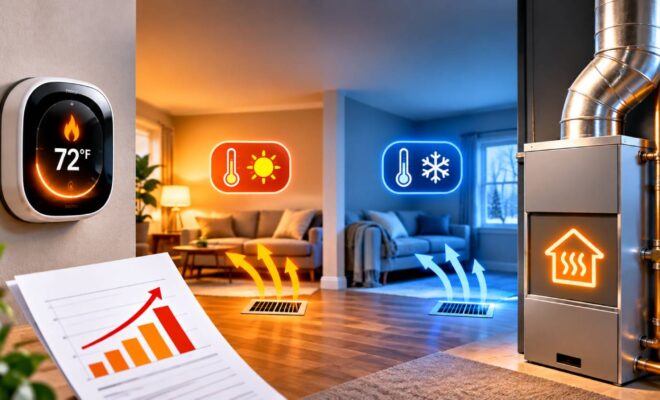
When some rooms feel warm while others remain chilly, your heating system may be struggling to distribute heat properly. If your energy bills are rising at the same time, it is worth investigating the cause rather than assuming colder weather is entirely to blame.
Understanding the warning signs can help you decide when simple maintenance may be enough and when to consider heating repair and maintenance in Roanoke, VA. Addressing problems early can help restore comfort, identify efficiency issues and reduce the risk of unexpected breakdowns.
Why Is Your Home Heating Uneven?
Uneven heating can result from restricted airflow, thermostat problems, ductwork issues or a heating system that is not operating correctly. The cause often depends on the type of equipment in your home and how heat moves through each room.
In forced-air systems, warm air travels through ducts and enters rooms through supply vents. Blocked vents, dirty filters or leaking ducts can interfere with that airflow. Homes with boilers may experience uneven warmth because of air trapped in radiators, circulation problems or other system faults.
Room location can also influence comfort. Rooms above garages, spaces with large windows and areas with limited insulation may lose heat faster than other parts of the home. Identifying whether the problem affects one room, several rooms or the entire house can help narrow down the possible causes.
How Uneven Heating Can Increase Energy Bills
A heating system that struggles to maintain the thermostat setting may run longer than necessary. Restricted airflow, leaking ducts or malfunctioning components can make it harder to deliver heat where it is needed, potentially increasing energy consumption.
However, higher bills do not automatically indicate a faulty heater. Colder outdoor temperatures, changes in thermostat settings, increased occupancy and utility rate changes can also affect monthly costs.
Compare bills across similar periods and consider how the weather and household usage have changed. If costs continue rising despite similar conditions, while certain rooms remain uncomfortable, a heating system inspection may help identify the underlying issue.
Common Heating Problems You Should Not Ignore
Several warning signs can indicate that your heating system needs attention.
Restricted Airflow
A dirty air filter can reduce airflow in a forced-air heating system. Depending on the equipment, restricted airflow may affect comfort, increase operating strain or contribute to overheating. Check the filter according to the manufacturer’s recommendations and replace it when necessary.
Keep supply and return vents clear of furniture, rugs and other obstructions. If airflow remains weak after these basic checks, the problem may involve ductwork, a blower or another component that needs professional attention.
Thermostat Problems
A thermostat helps regulate indoor temperature by telling the heating system when to operate. Incorrect settings, poor placement or a malfunction can cause inconsistent heating.
Check that it is set to the intended mode and temperature. If the display is blank, review the manufacturer’s guidance for checking batteries or power. Persistent temperature differences or irregular system operation may require a technician to inspect the thermostat and its connection to the equipment.
Leaking or Poorly Insulated Ducts
Ducts carry heated air to different parts of a home. Leaks can allow warm air to escape into unheated spaces, while poor insulation may contribute to heat loss before air reaches its destination.
These issues can make some rooms harder to heat and may increase energy use. Ductwork hidden in attics, crawl spaces or walls can be difficult to inspect safely, so a professional assessment may be appropriate if airflow remains uneven.
Worn or Malfunctioning Components
Heating systems contain components that experience wear over time. Unusual noises, repeated shutdowns, delayed heating or frequent cycling can indicate a mechanical or electrical problem.
Do not assume that every unusual sound signals a major failure, but avoid repeatedly resetting a system that continues to malfunction. A qualified technician can diagnose the cause and determine whether repair or further maintenance is needed.
Practical Steps to Improve Heating Performance
Before arranging service, there are several basic checks homeowners can make without opening the equipment or attempting technical repairs.
- Check the thermostat: Confirm the heating mode, temperature setting and schedule are correct.
- Inspect the air filter: Replace a dirty filter according to the equipment manufacturer’s instructions.
- Clear vents and returns: Move furniture and other objects that obstruct airflow.
- Check doors and windows: Look for noticeable drafts and address simple gaps with suitable weatherstripping or caulk.
- Compare room temperatures: Note which rooms remain cold and whether the problem changes when the system runs.
- Track energy use: Compare recent bills and usage with previous periods, accounting for weather and changes in household routines.
These steps can help identify simple issues, but they will not resolve every heating fault. Avoid removing equipment panels, handling electrical components or attempting repairs involving gas lines.
When Professional Heating Repair and Maintenance Is Needed
Basic checks may improve comfort, but persistent uneven heating and rising bills deserve closer attention. Professional service can help identify problems that are not visible to homeowners, including internal component faults, duct leakage, circulation issues and equipment performance concerns.
For homeowners considering, the appropriate service depends on the type of system installed. Furnaces, boilers and ductless heating systems have different operating requirements, so the inspection and repair process should match the equipment.
Routine maintenance can also help identify worn parts, airflow restrictions and other developing issues before they lead to more disruptive problems. However, maintenance cannot guarantee that a system will never break down or that energy bills will always decrease.
If the system repeatedly shuts off, produces persistent unusual noises or fails to maintain a comfortable temperature, arrange a professional assessment rather than continuing to operate it without investigating the cause.
Safety concerns require immediate action. If a carbon monoxide alarm sounds, leave the home and contact emergency services from a safe location. If you smell gas, leave immediately without operating electrical switches or creating flames, then contact emergency services or the gas utility from outside.
FAQs
Q.1 Why is one room colder than the rest of my house?
A room may receive insufficient airflow, have leaking ducts or lose heat through windows, walls or inadequate insulation. Blocked vents and thermostat placement can also contribute to uneven temperatures.
Q.2 Can a dirty furnace filter increase heating costs?
Yes. A dirty filter can restrict airflow, potentially making the system work less effectively. Check and replace the filter according to the manufacturer’s recommendations.
Q.3 Why are my heating bills rising when my home still feels cold?
Possible causes include restricted airflow, duct leaks, equipment problems or increased heat loss. Colder weather, thermostat settings and utility rates can also affect bills, so consider these factors when comparing usage.
Q.4 How often should a home heating system receive maintenance?
Follow the manufacturer’s maintenance schedule and arrange professional service at the recommended intervals. The appropriate frequency depends on the equipment type, usage and specific maintenance requirements.
Q.5 When should I call a heating professional?
Arrange an inspection if uneven heating persists, energy use rises without a clear explanation, or the system makes unusual noises or repeatedly shuts down. Treat suspected gas leaks and carbon monoxide alarms as urgent safety concerns.
In Summary
Uneven heating and rising energy bills can point to airflow restrictions, heat loss, thermostat issues or equipment faults. Checking filters, clearing vents and reviewing thermostat settings are sensible first steps, but persistent problems may require professional diagnosis.
Timely heating repair and maintenance in Roanoke, VA, can help homeowners identify faults and make informed decisions about their systems. Monitor changes in comfort and energy use, follow the manufacturer’s maintenance guidance and seek qualified assistance when basic checks do not resolve the problem.


