Everything You Need to Know for Flawless HVAC Installation
Whether you’re installing a new HVAC system or replacing an outdated one, the process requires careful planning and execution to ensure optimal performance. HVAC installation in Orange, CT, plays a pivotal role in maintaining comfort throughout your home or business. A properly installed system enhances energy efficiency, improves air quality, and provides reliable heating and cooling for years. This guide covers everything you need to know for flawless HVAC installation, with insights into preparation, installation steps, and common mistakes to avoid.
Why Proper HVAC Installation is Crucial
The installation process of your heating, ventilation, and air conditioning (HVAC) system is more than just setting up the equipment. It’s about ensuring that all components work together efficiently. Proper installation ensures that your HVAC system runs smoothly, without overworking itself, which can extend the lifespan of the unit, reduce the need for repairs, and optimize energy consumption.
An improperly installed system can lead to a host of issues. From uneven cooling and heating to higher utility bills, mistakes made during installation can affect performance and comfort. Ensuring the system is sized correctly for your home or business is one of the most crucial steps, as is placing the components in optimal positions for airflow and efficiency.
Choosing the Right HVAC System for Your Space
Before diving into the installation process, it’s important to select the right HVAC system for your needs. Different systems are designed to meet specific space requirements, and a professional HVAC technician can help you make the best choice. Consider the square footage of your home, your energy efficiency goals, and any specific needs such as humidity control or air filtration.
Choosing the right unit can also depend on whether you need heating, cooling, or both. Central air systems are ideal for larger spaces, while ductless mini-split systems are more efficient for smaller areas or individual room cooling and heating.
Once you’ve determined the ideal system, the next step is ensuring proper sizing. An undersized system will struggle to maintain temperature, while an oversized one can cycle on and off too frequently, wasting energy. Accurate sizing can prevent both issues, ensuring your HVAC system functions efficiently.
Preparation for HVAC Installation
Before installation day arrives, preparation is key. The area where your HVAC system will be installed needs to be cleared and accessible. If you are installing a central air system, this includes ensuring the attic or basement space is free of clutter and that there is enough room for the necessary ducts.
Another important aspect of preparation is ensuring that your electrical system is ready to handle the new HVAC system. This might involve upgrading your circuit breakers or ensuring that you have the right electrical outlets in place. A qualified technician will ensure that the wiring is up to code and that the system’s electrical needs are met.
The HVAC Installation Process
The HVAC installation process typically involves several key steps, which should always be carried out by a certified professional. Here is a breakdown of the process:
- Positioning the System Components: The first step in the installation process is positioning the furnace, air handler, or compressor in an optimal location. This is essential for efficiency and accessibility, especially when maintenance is required. The placement must allow for sufficient airflow while keeping noise and vibrations at a minimum.
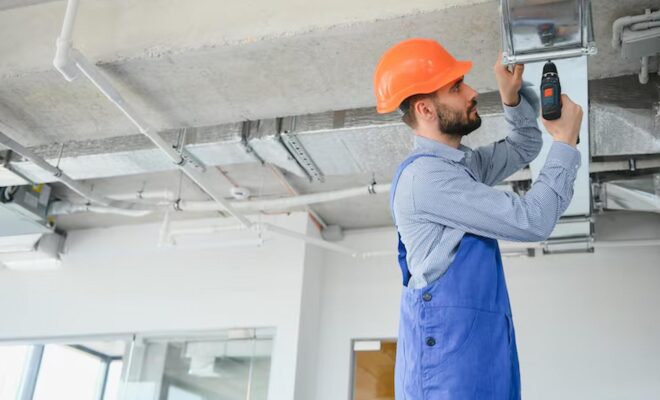
- Ductwork Installation: The ducts are responsible for distributing air throughout the space. Ductwork needs to be installed in a way that maximizes airflow while avoiding kinks or blockages. Improper ductwork can lead to energy inefficiency, as the system will need to work harder to push air through narrow or obstructed ducts.
- Connecting the System to the Electrical Supply: The next step involves connecting the HVAC system to the electrical grid. This should only be done by a licensed electrician to ensure safety and compliance with local regulations.
- Sealing and Insulating the Ducts: Once the ducts are in place, they must be sealed properly to prevent air leakage, which can result in heat loss and inefficiency. Insulation around the ducts is also critical, especially for systems running through unconditioned spaces like attics or basements.
- Testing the System: After everything is installed, the HVAC system needs to be tested. This ensures that all components are working together, the airflow is correct, and the system is heating or cooling effectively. This step also includes checking for any potential leaks in the ductwork or system itself.
Common Mistakes to Avoid During HVAC Installation
While HVAC installation may seem straightforward, there are several common mistakes that can reduce the system’s effectiveness. One common error is incorrect sizing, which can lead to the system being overworked or underperforming. Another issue is improperly placed components, such as placing the condenser in direct sunlight, which can reduce efficiency.
It’s also important to have a technician who understands local building codes and regulations. Improper installation could lead to safety risks or problems with local authorities, resulting in costly fines or repairs.
For optimal performance, it’s best to have your HVAC system installed during the off-season. This ensures that the technician isn’t rushed and has the necessary time to ensure the installation is done right.
Post-Installation Considerations
Once the installation is complete, your job isn’t over. It’s important to schedule regular maintenance and cleaning to keep the system running at peak performance. This includes replacing filters, cleaning ducts, and ensuring that all components are in good working condition. Regular maintenance extends the lifespan of your HVAC system and keeps your energy costs under control.
If you’re in need of HVAC installation in Orange, CT, it’s important to find a reliable, professional team that understands the nuances of the local climate and your specific needs. With the right experts by your side, you can ensure that your system is installed correctly, efficiently, and with long-term comfort in mind.
Final Thoughts
Flawless HVAC installation is about more than just placing a system in your home. It’s about understanding the system’s needs, preparing your space, and ensuring the installation is done with precision. By choosing the right system, preparing your home for installation, and working with certified professionals, you can enjoy the benefits of an efficient and reliable HVAC system. Remember, the key to flawless HVAC installation lies in careful planning, proper sizing, and professional execution. Don’t rush the process, and don’t settle for anything less than a job done right.